

Efficient and precise pipe bending is a cornerstone of automotive repair, metal fabrication, and hydraulic system assembly. Whether installing brake lines, fuel tubing, exhaust systems, or custom chassis components, using the right equipment ensures safety, accuracy, and durability. Among available tools, hydraulic pipe benders have become the standard in professional workshops, but many technicians and shop owners ask: Are hydraulic pipe benders truly worth the investment?
This article provides a detailed, authoritative analysis of hydraulic pipe benders, exploring their working principles, benefits, performance compared to manual tools, cost-effectiveness, and the types of workshops that benefit most from this equipment. It is designed for repair shops, fabricators, and automotive professionals seeking an informed purchasing decision.
How Does a Hydraulic Pipe Bender Work?
A hydraulic pipe bender operates using a high-pressure hydraulic cylinder that applies a controlled force to bend metal tubing around a die. This system allows technicians to bend pipes without manual exertion, minimizing strain while delivering precise angles.
Key components include:
• Hydraulic Cylinder: Generates controlled force for bending, reducing manual labor.
• Bending Dies: Available in multiple diameters to accommodate different pipe sizes, from thin-wall brake tubing to thick-wall structural steel.
• Frame and Base: Provides structural stability to resist bending loads without deflection.
Unlike manual benders, hydraulic systems offer consistent force, which is essential for high-strength steel, stainless steel, or aluminum pipes. This ensures bends are smooth, accurate, and free from deformation such as wrinkling or flattening, common issues when using conventional mechanical tools.
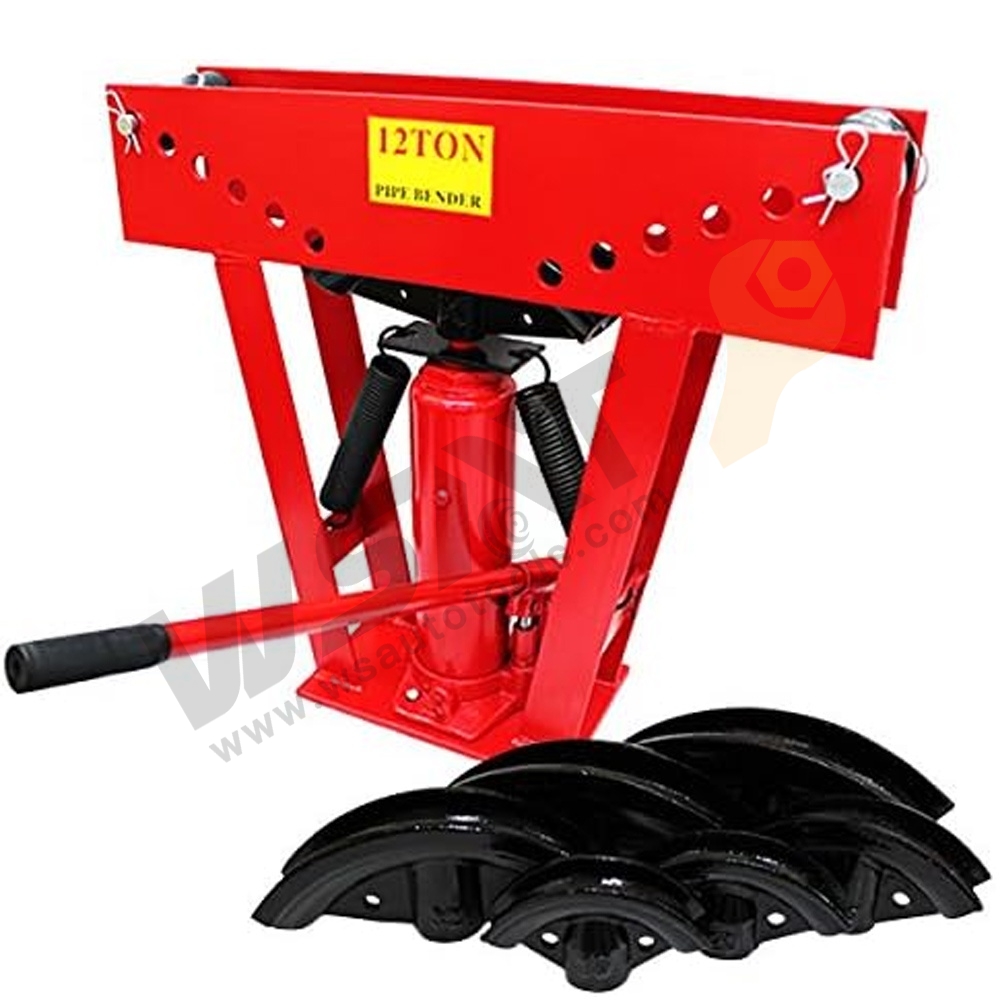
Winsen 12T/16T Hydraulic Pipe Bender
Key Benefits of Using a Hydraulic Pipe Bender in a Workshop
Hydraulic pipe benders provide several advantages that make them indispensable in professional environments:
• Increased Bending Force: Capable of handling thick-walled steel or larger-diameter tubing that manual benders cannot manage.
• High Precision: The controlled hydraulic system ensures consistent, repeatable angles, critical for suspension lines, exhaust piping, and chassis fabrication.
• Reduced Manual Effort: Hydraulic operation minimizes physical strain on technicians, allowing longer work periods with less fatigue.
• Versatility: Suitable for various materials including mild steel, stainless steel, copper, and aluminum. Multiple dies allow adaptation to different pipe diameters and shapes.
• Enhanced Safety: Hydraulic systems often include pressure relief valves and secure clamping, reducing the risk of accidental pipe slippage or sudden spring-back.
Workshops that prioritize efficiency and repeatable results gain a clear advantage with a hydraulic pipe bender, particularly when handling frequent or complex bending tasks.
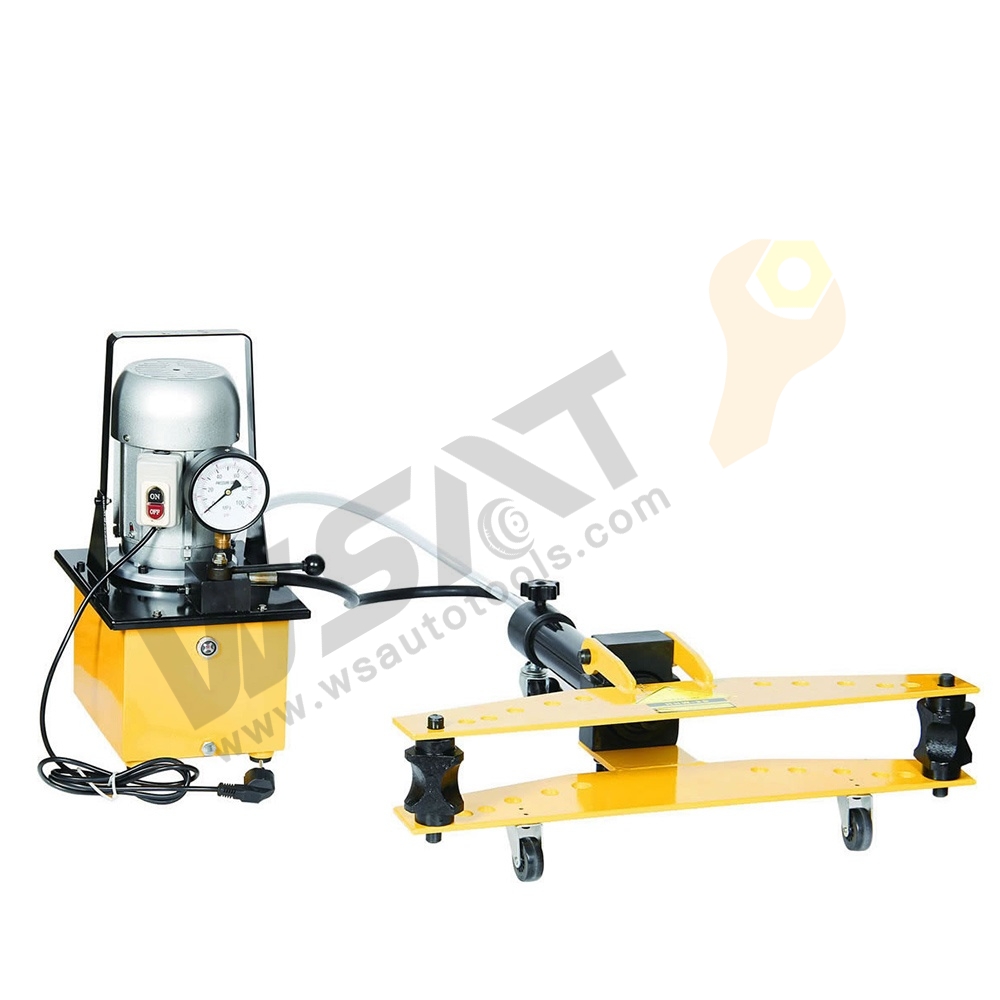
Winsen Electro Hydraulic Pipe Bender
Hydraulic Pipe Bender vs. Manual Pipe Bender
Comparing hydraulic and manual pipe benders highlights the practical value of investing in hydraulic systems:
| Feature | Hydraulic Pipe Bender | Manual Pipe Bender |
| Bending Force | High, suitable for thick-wall tubing | Limited by operator strength |
| Accuracy | Consistent, precise angles | Variable, dependent on user skill |
| Speed | Faster, less manual effort | Slower, labor-intensive |
| Safety | Integrated pressure control, stable clamping | Higher risk of slippage or spring-back |
| Cost | Higher initial investment | Lower cost, accessible for small workshops |
| Versatility | Compatible with multiple materials and diameters | Limited range |
Hydraulic benders excel in workshops with high-volume production, complex bends, or where precision is critical, such as brake and fuel line fabrication or chassis modification. Manual benders remain viable for low-frequency, small-scale operations but often compromise speed and consistency.
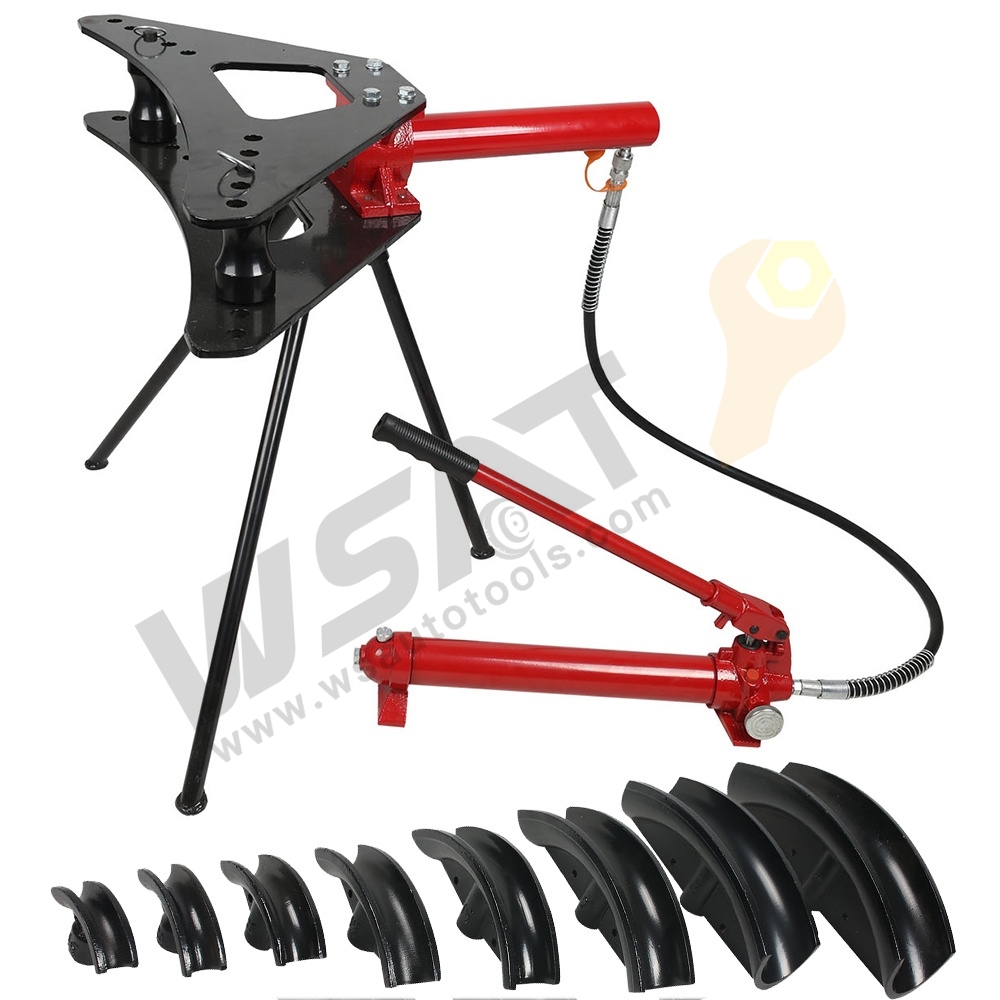
Winsen Pipe Bender with Portable Pump
Cost Analysis: Is the Investment Justified?
While hydraulic pipe benders have a higher initial price than manual alternatives, their value becomes evident in high-use or professional settings. Consider the following factors:
• Labor Savings: Reduced operator effort allows technicians to complete bends faster and with less fatigue, increasing daily productivity.
• Material Protection: Hydraulic precision reduces errors that can damage expensive tubing, lowering scrap costs.
• Long-Term Durability: High-quality hydraulic benders feature robust steel construction and replaceable dies, providing years of reliable service.
• Return on Investment (ROI): Workshops performing frequent tube bending can recover the cost through labor efficiency, reduced errors, and improved service quality within months.
For commercial workshops or fabrication facilities, a hydraulic pipe bender is often more cost-effective than continuing to rely on manual bending methods. The higher purchase price is offset by the combination of increased throughput, improved safety, and consistent quality.
Final Verdict: Who Should Invest in a Hydraulic Pipe Bender?
A hydraulic pipe bender is most suitable for:
• High-Volume Workshops: Frequent bending tasks demand speed, consistency, and safety.
• Professional Automotive Fabricators: Brake lines, exhaust systems, and chassis modifications require precise bends to ensure fit and performance.
• Custom and Commercial Applications: Aluminum, stainless steel, and thick-wall tubing are efficiently handled with hydraulic force.
Smaller DIY garages or low-frequency users may not fully benefit from the investment, making a manual bender more practical. However, for any professional or semi-professional operation, hydraulic pipe benders provide unmatched efficiency, safety, and reliability, validating their value despite the initial cost.