
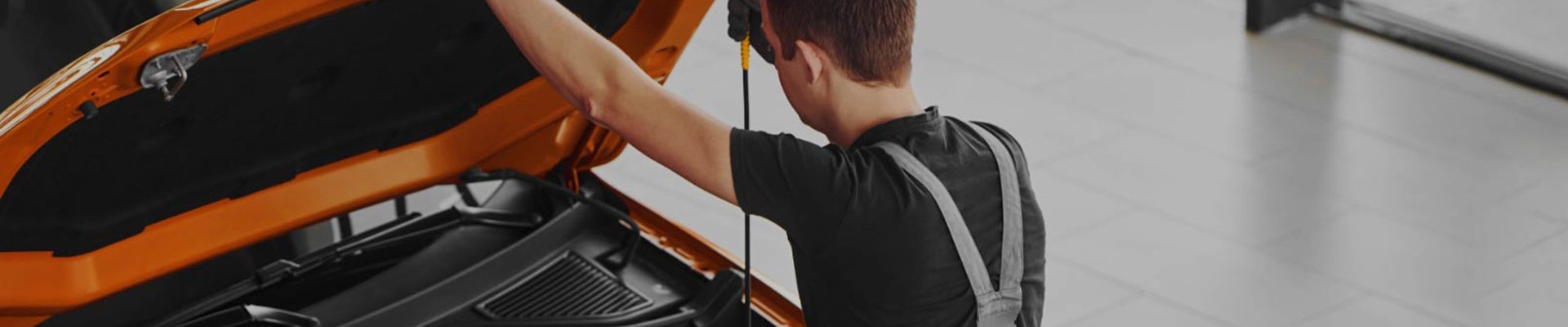
Modern collision repair demands accuracy, safety, and efficiency. An auto body shaping machine plays a critical role in restoring damaged vehicles to their original structural condition. From correcting frame deformation to improving repair quality, this equipment has become indispensable in professional auto body shops. This article explores the core functions, working principles, applications, selection criteria, and maintenance considerations of auto body shaping machines.
What is an Auto Body Shaping Machine?
An auto body shaping machine, also known as a body straightening machine or frame repair system, is specialized equipment used to correct deformed vehicle bodies after collisions. It applies controlled pulling and straightening forces to damaged structural components, restoring factory dimensions and alignment.
Unlike manual panel beating, body shaping machines provide measurable, repeatable force through hydraulic systems. This ensures higher precision and consistency, especially when repairing modern vehicles with complex body structures, high-strength steel, or aluminum frames.
Common keywords associated with this equipment include auto body repair machine, collision repair equipment, and frame straightening system, all reflecting its essential role in professional body shops.
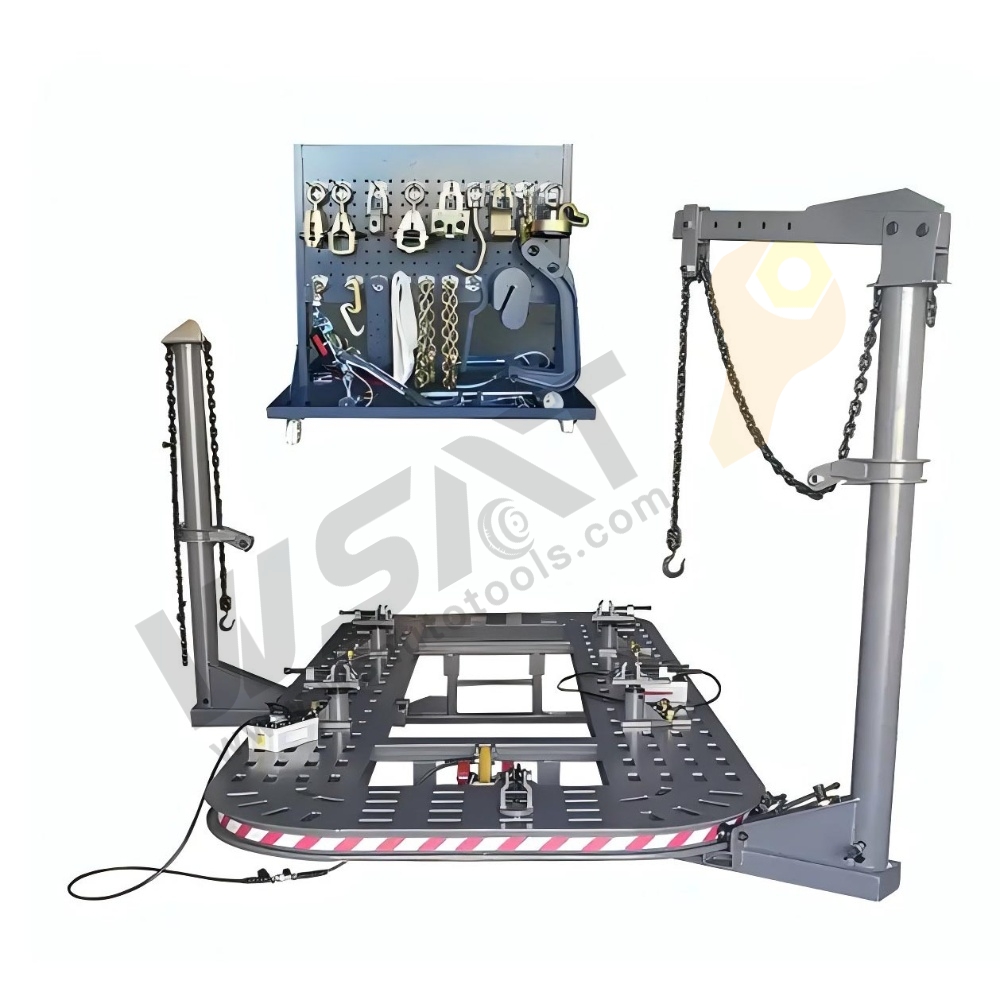
Winsen Auto Body Shaping Equipment
How an Auto Body Shaping Machine Works
The working principle of an auto body shaping machine is based on hydraulic force control and structural correction. The vehicle is securely anchored to a platform or bench, preventing movement during the repair process. Hydraulic towers or pulling units then apply directional force to specific damaged points.
By adjusting pulling angles, force intensity, and sequence, technicians can gradually reshape bent frames, panels, and structural components. Advanced systems may integrate mechanical measuring tools or digital alignment systems to monitor progress in real time.
This controlled process helps restore structural integrity without over-pulling, which is critical for maintaining vehicle safety standards and ensuring proper fitment during reassembly.
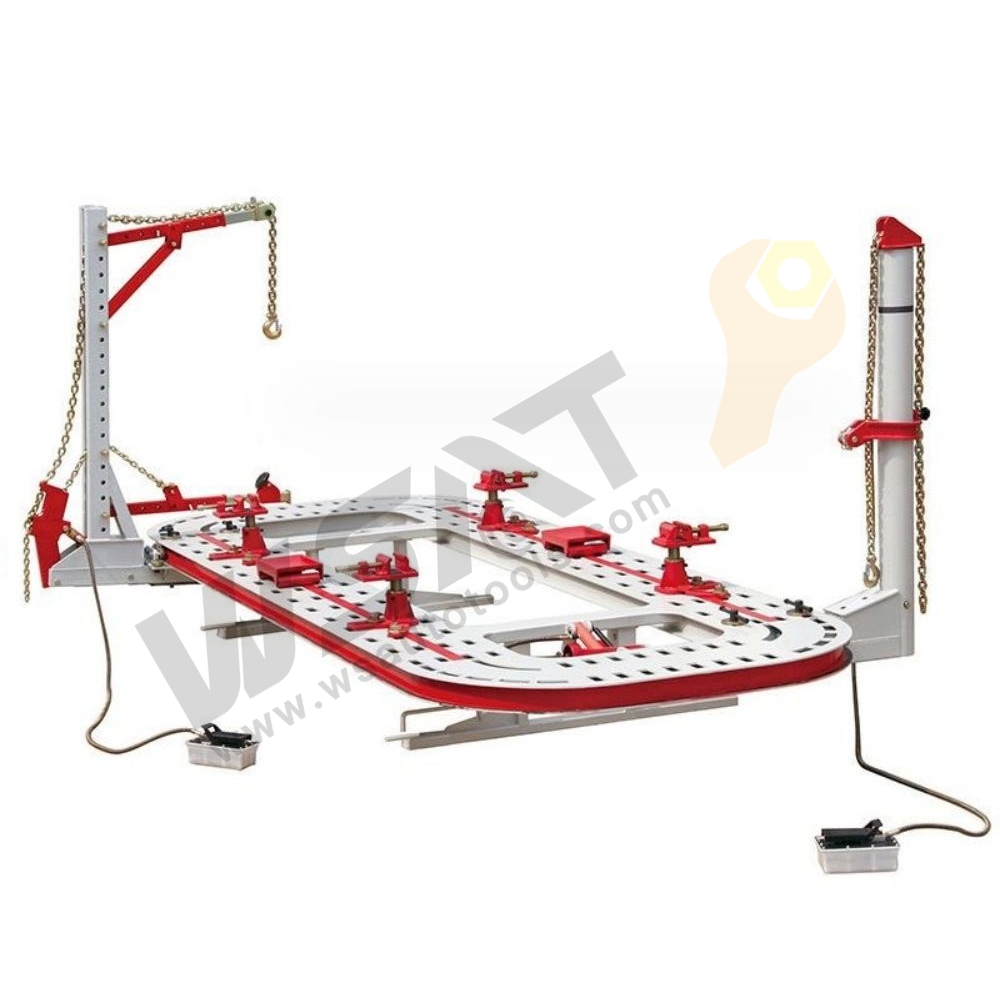
Winsen Auto Body Shaping Equipment
Applications in Auto Body and Collision Repair
Auto body shaping machines are widely used across different collision repair scenarios, including:
Frame straightening after front, rear, or side impacts
Repair of door frames, rocker panels, and pillars
Correction of chassis and underbody deformation
Structural alignment for accident-damaged vehicles
In professional auto body shops, these machines are often used before welding, sanding, and painting processes. Accurate shaping at the structural level reduces downstream issues such as panel misalignment, uneven gaps, or compromised safety performance.
For shops handling high volumes of accident repairs, a reliable auto body shaping machine directly improves workflow efficiency and repair consistency.
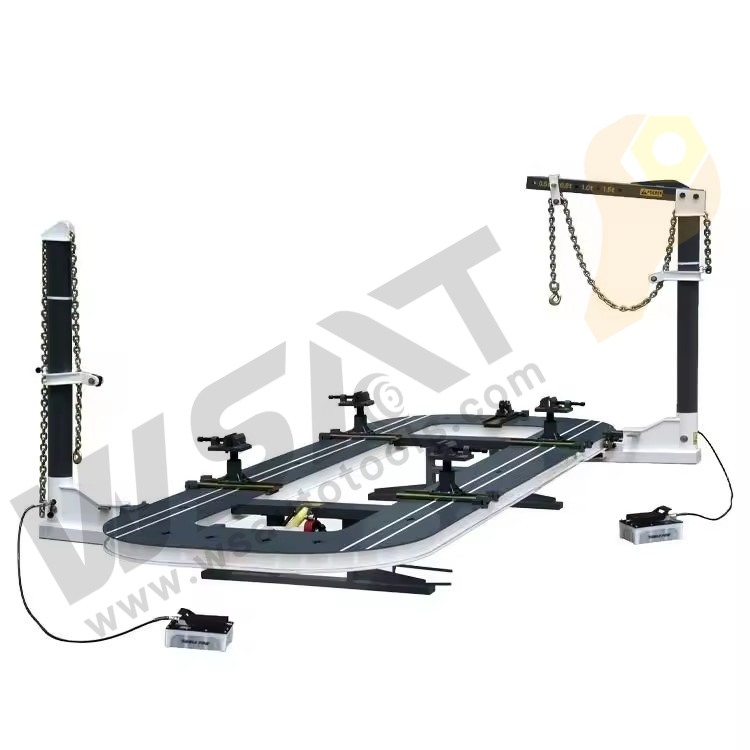
Winsen Auto Body Shaping Machine
How to Choose the Right Auto Body Shaping Machine
Selecting the right auto body shaping machine depends on several technical and operational factors. Pulling capacity is one of the most important considerations, as different vehicles require different force levels. Passenger cars, SUVs, and light commercial vehicles may all have varying structural requirements.
Other key factors include equipment stability, hydraulic system reliability, safety locking mechanisms, and compatibility with modern vehicle materials. Ease of operation and availability of accessories such as clamps and towers also influence long-term usability.
From a business perspective, durable construction, reliable after-sales service, and access to replacement parts are essential for minimizing downtime and protecting investment value.
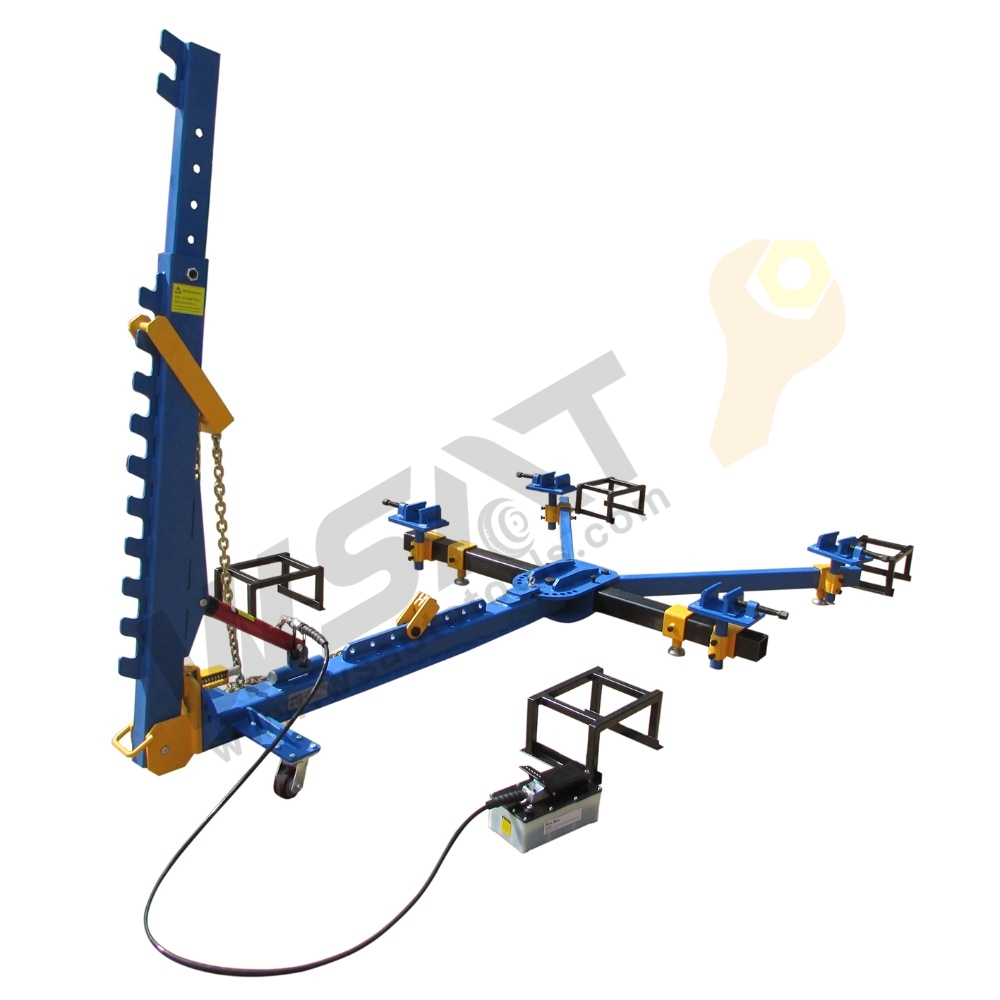
Winsen Auto Body Shaping Equipment
Maintenance and Safety Best Practices
Proper maintenance ensures consistent performance and extends the service life of an auto body shaping machine. Regular inspection of hydraulic hoses, cylinders, and seals helps prevent pressure loss and oil leakage. Chains, clamps, and anchoring components should be checked for wear and replaced as needed.
Operator safety is equally critical. Vehicles must be securely fixed before applying force, and pulling angles should be carefully calculated to avoid secondary structural damage. Adequate training and adherence to operational guidelines significantly reduce the risk of accidents and equipment failure.
A well-maintained machine not only improves repair accuracy but also enhances workshop safety and productivity.
Finally,
An auto body shaping machine is a cornerstone of modern collision repair operations. By combining hydraulic precision, structural control, and professional-grade durability, it enables auto body shops to deliver safer, higher-quality repairs. Understanding how these machines work, where they are applied, and how to choose and maintain them helps repair professionals achieve consistent results while meeting industry standards.