
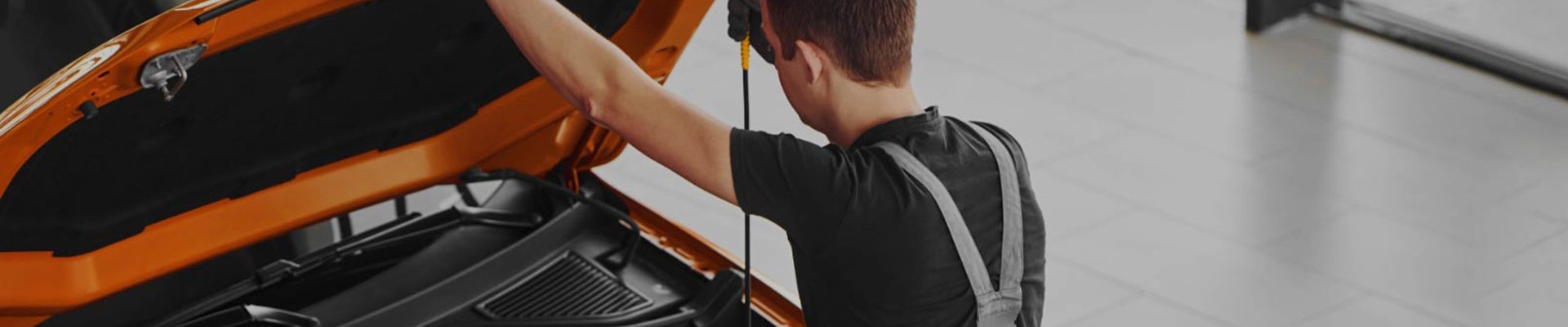
After many years working alongside auto repair shops, fleet service centers, and industrial cleaning crews, I have learned one important lesson: when it comes to high pressure washers, application always comes before specifications.
Beginners often focus on PSI numbers or machine size, assuming more power automatically means better results. In real-world use, however, the power source—gasoline, diesel, or electric—plays a far more decisive role in how a pressure washer performs, where it can be used, and how long it can run reliably.
Understanding these differences early will save time, money, and frustration.
Why Power Source Determines Cleaning Capability
In practice, a high pressure washer is not just a cleaning tool but a working asset. Its power source directly affects operating stability, mobility, noise level, maintenance requirements, and overall suitability for different environments.
Over the years, I have seen many new users struggle simply because they chose the wrong type of machine for their working conditions. A washer that performs perfectly outdoors may be completely unsuitable for an indoor automotive workshop. Likewise, a machine designed for short cleaning cycles may fail quickly in continuous industrial use.
Once you understand how power systems shape performance, choosing the right washer becomes far more intuitive.
High Mobility for Heavy-Duty Outdoor Cleaning
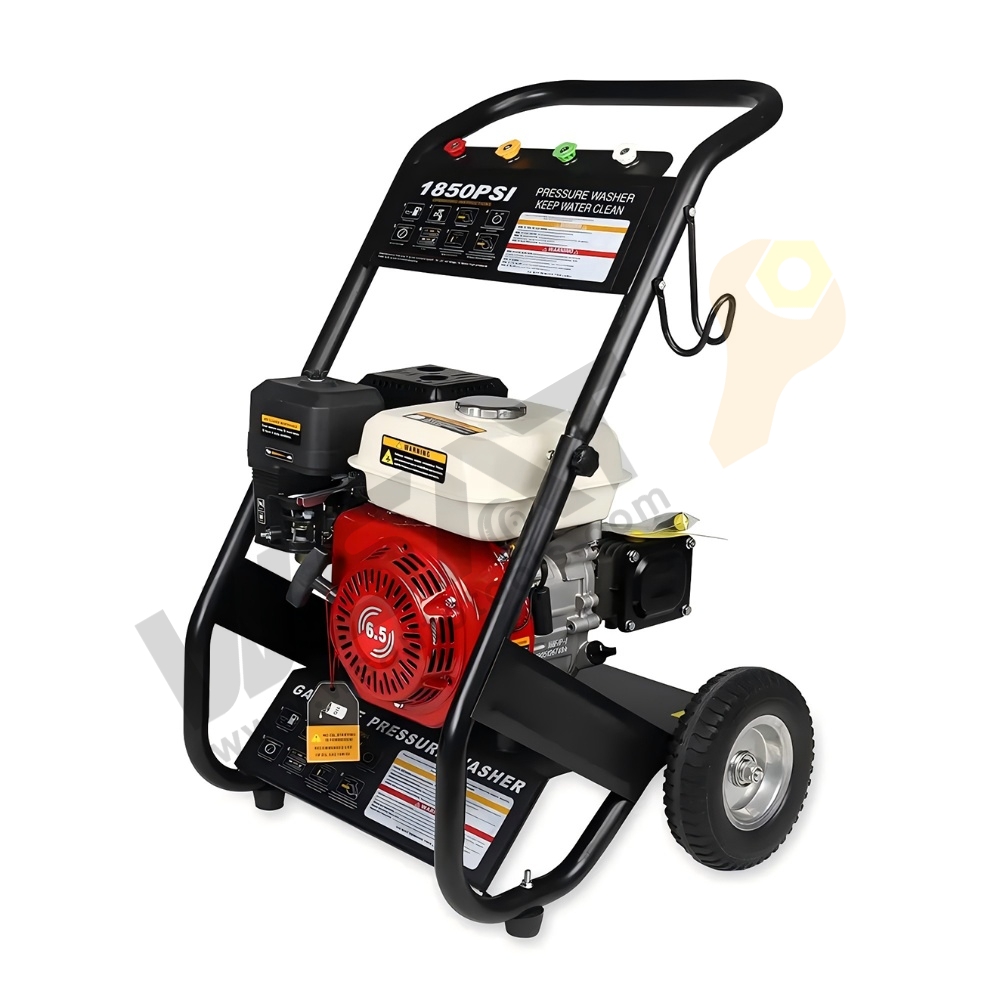
Gasoline High Pressure Washer
Gasoline high pressure washers are best known for their mobility and raw cleaning power. In automotive and equipment cleaning, they are commonly used where access to electricity is limited or nonexistent.
From my experience, gasoline-powered units perform exceptionally well in outdoor environments. They deliver strong pressure and steady water flow, making them ideal for removing heavy mud, oil buildup, and stubborn grime from vehicles and machinery. This is why they are often seen in mobile car wash services, roadside repair operations, and large vehicle cleaning tasks.
That said, gasoline high pressure washers are not designed for confined indoor spaces. Noise, exhaust emissions, and fuel handling make them far more suitable for open or well-ventilated areas. When used correctly, however, they are reliable, powerful tools that handle demanding cleaning jobs with ease.
Designed for Continuous Operation in Demanding Environments
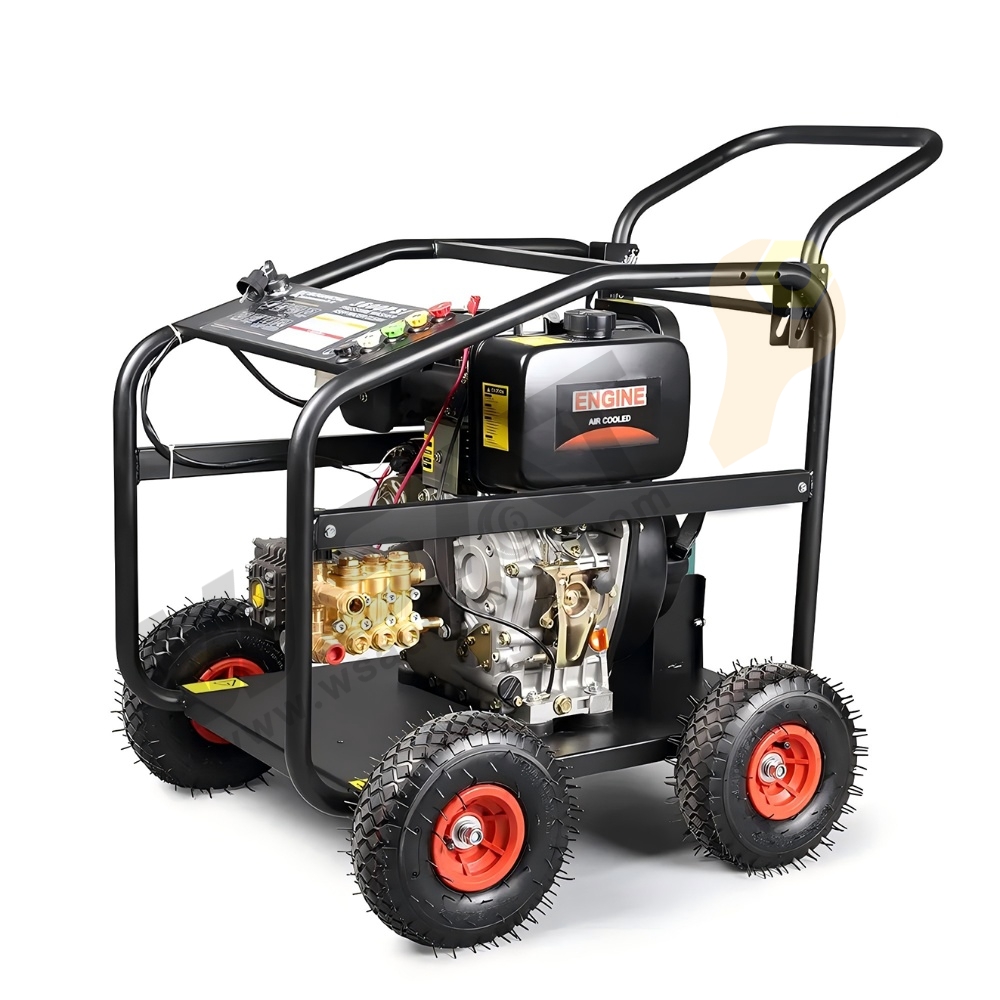
Diesel High Pressure Washer
Diesel high pressure washers occupy a different category altogether. These machines are built for long operating hours and sustained workloads, rather than occasional cleaning.
In industrial settings such as fleet maintenance centers or large-scale facilities, cleaning is not a short task—it is a daily requirement. Diesel engines provide the torque and fuel efficiency needed to run pressure washers continuously without overheating or losing performance. This makes them particularly suitable for heavy-duty industrial cleaning, large equipment washing, and municipal maintenance work.
Based on long-term observation, diesel high pressure washers are rarely chosen for convenience. They are chosen for reliability under pressure. While the initial investment and maintenance requirements are higher, the payoff is consistent performance in environments where downtime is simply not an option.
Quiet and Efficient Cleaning for Indoor Workshops
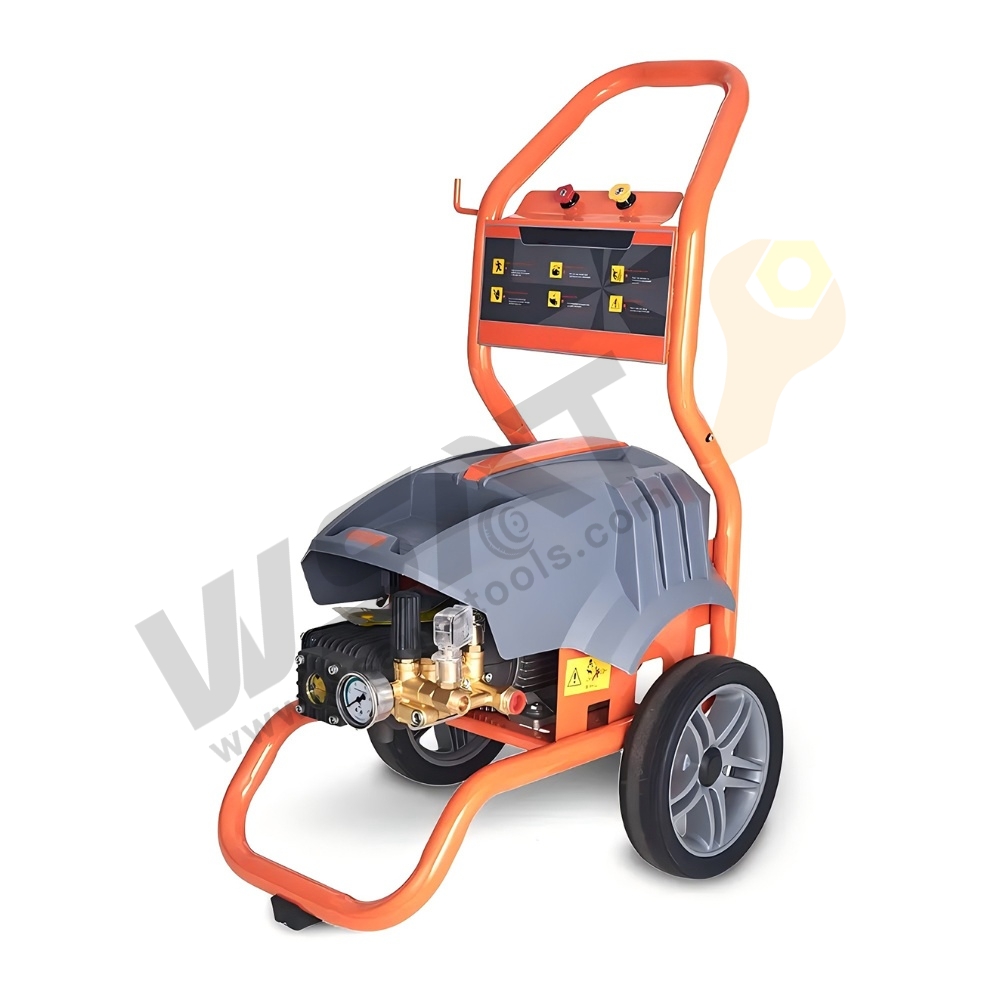
Electric High Pressure Washer--Two motor
Electric high pressure washers are the most familiar option for automotive workshops, and for good reason. They are clean, quiet, and easy to control, making them especially friendly for beginners.
In indoor environments, such as repair bays or detailing areas, electric pressure washers provide stable pressure without exhaust fumes or excessive noise. This allows technicians to clean engine bays, brake components, and vehicle exteriors safely and efficiently. In my experience, electric units are particularly valuable when working around sensitive automotive parts, where excessive pressure or heat could cause damage.
Although electric high pressure washers are generally less powerful than gasoline or diesel models, their precision and low maintenance make them a practical choice for light to medium-duty automotive cleaning.
Choosing the Right Washer Based on Application, Not Size
One of the most important lessons for beginners is that bigger does not always mean better. The right high pressure washer is the one that matches your cleaning environment and workload.
Gasoline models are ideal for outdoor and mobile operations, diesel units excel in continuous industrial use, and electric pressure washers fit perfectly into indoor workshops. When the application aligns with the machine's design, performance improves, maintenance decreases, and equipment lifespan increases.
In many cases, I have seen smaller, well-matched machines outperform more powerful models simply because they were used in the right context.
Final Thoughts
High pressure washers play a vital role in automotive repair, commercial cleaning, and industrial maintenance. The key to using them effectively lies in understanding how different power sources support different applications.
For beginners, focusing on real-world use rather than specifications alone leads to better decisions and better results. Different high pressure washers serve different purposes—and once that principle is clear, selecting the right machine becomes far simpler.