
What is a Dent Pulling Machine?
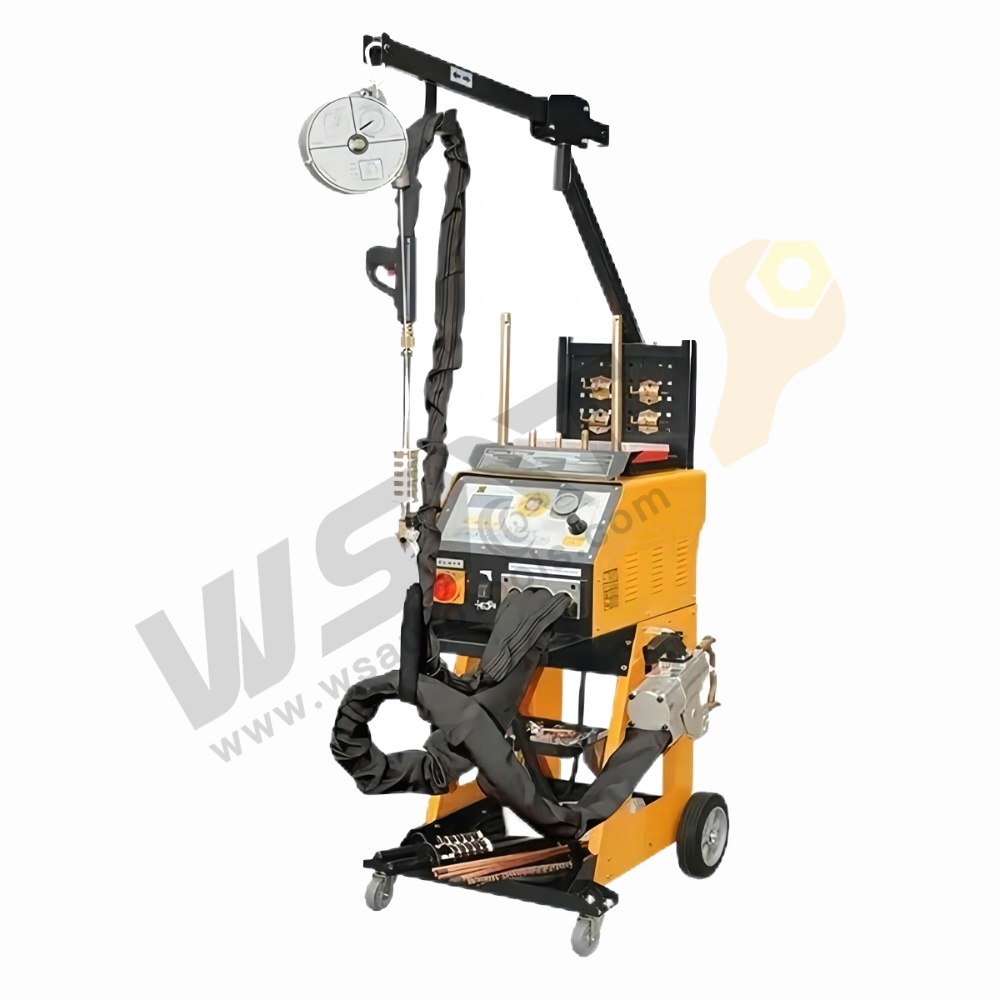
A dent pulling machine is a piece of equipment used to remove dents from vehicle body panels without the need for traditional bodywork such as sanding, filling, or repainting. Instead of pushing the metal back into shape from behind the panel, these machines pull the dented area outward from the front, restoring the panel's original contour while preserving the factory finish.
This approach sits at the core of paintless dent repair, commonly known as PDR. Because the original paint layer stays intact, the process is faster, less invasive, and generally more cost-effective than conventional panel repair. Dent pulling machines have become standard equipment in body shops, dealerships, and mobile repair services that specialize in this kind of work.
Main Types of Dent Pulling Machines
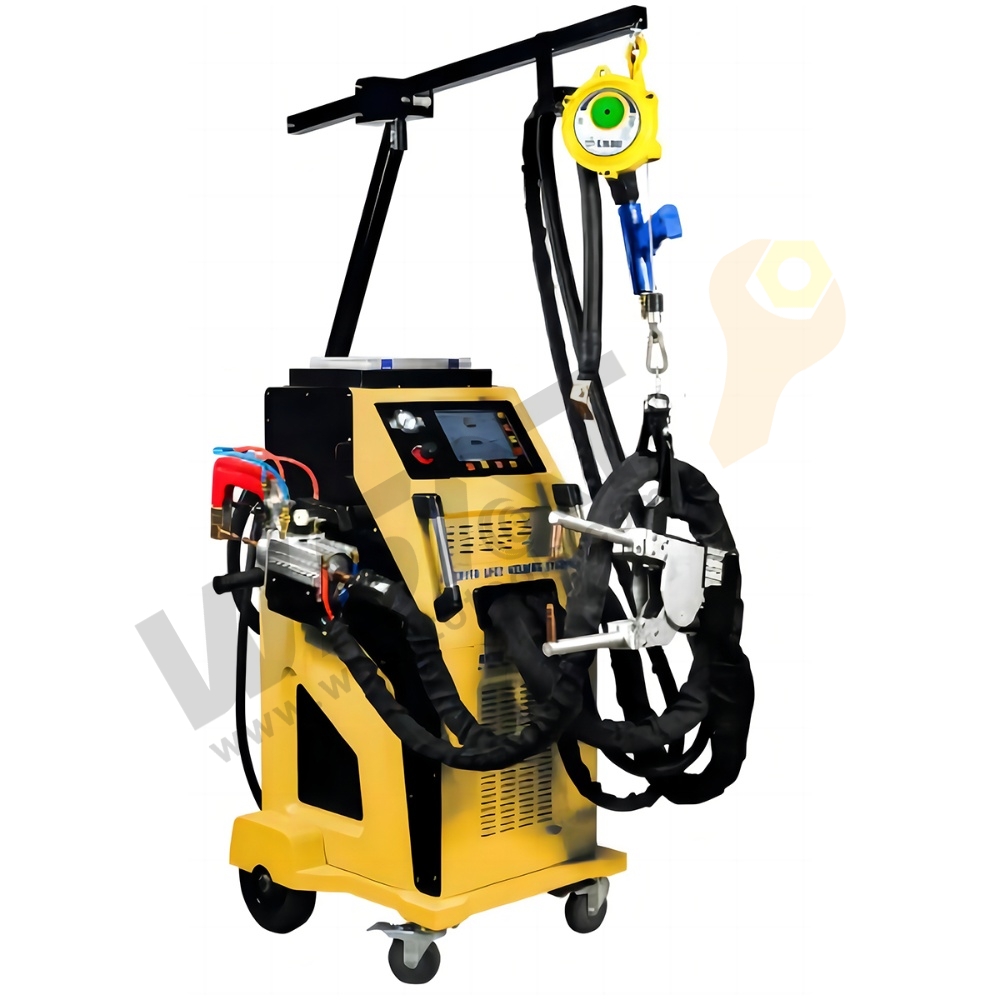
Not all dent pulling machines rely on the same mechanism. The right choice depends on the type of damage, the panel material, and how much control the technician needs during the pull.
Glue Pulling Systems
Glue pulling systems use a hot glue gun to attach specialized tabs directly onto the dented area. A pulling device is then connected to the tab to draw the metal outward in a controlled, gradual motion. This method is popular because it works on a wide range of dent shapes and sizes and does not require drilling or welding onto the panel.
Suction Cup and Vacuum Pullers
Suction-based pullers use a vacuum seal to grip the panel surface. They are especially effective on larger, shallow dents where a broad, even pulling force is needed. Because no adhesive or attachment is involved, they also allow for quick repositioning during the repair process.
Electromagnetic Induction Pullers
Induction pullers use electromagnetic heat to relax the metal at the point of damage before pulling. This makes them particularly useful for high-strength steel and aluminum panels, which tend to be more resistant to reshaping with standard mechanical methods.
Sliding Hammer and Stud Welding Pullers
This type uses a small welded stud or pin attached to the dent, paired with a sliding hammer or spring-loaded puller to apply a sharp, direct pulling force. It is often used for deeper or more stubborn dents where glue-based methods are not strong enough on their own.
Key Components and How They Work Together
A complete dent pulling setup typically includes several parts that work in sequence. The pulling unit itself, whether it is a glue-based bridge puller, a vacuum device, or an induction tool, provides the outward force. Attachments such as tabs, tips, or suction cups make contact with the panel and transfer that force precisely to the damaged area.
Alongside the puller, most technicians also use a PDR light board or reflection board. This does not apply any force, but it reveals subtle contour changes in the panel as light reflects across the surface, allowing the technician to judge the shape of the dent and track progress as it is pulled out. Control panels or handheld dials, found on more advanced machines, let the operator adjust pulling speed and intensity to avoid overcorrecting the panel.
What to Consider When Choosing a Dent Pulling Machine
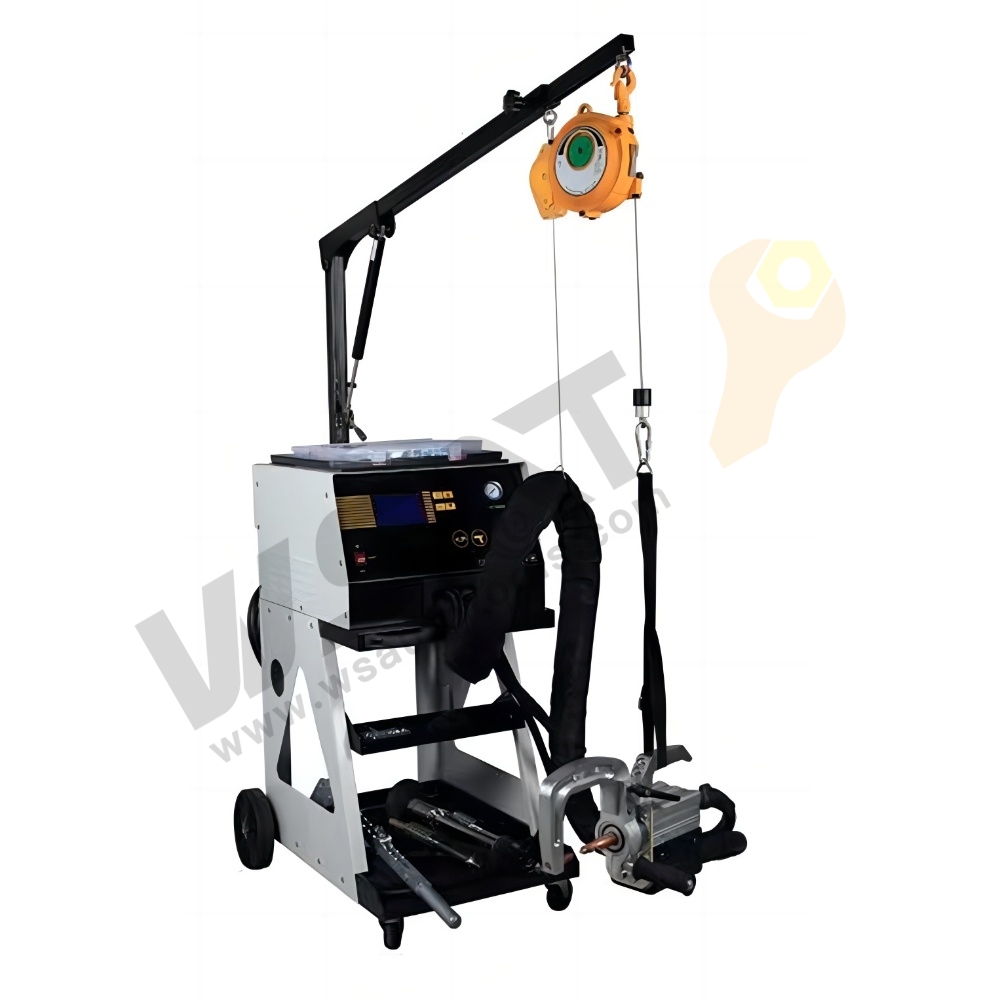
Selecting the right machine depends on the kind of repair work a shop handles most often, as well as practical factors around long-term use.
Panel material. Standard steel panels can usually be handled with glue or suction-based pullers, while aluminum and high-strength steel often call for induction-based systems that can safely loosen the metal before pulling.
Dent type and depth. Shallow, wide dents typically respond well to vacuum pullers, while sharper, deeper dents may need the more concentrated force of a stud or sliding hammer puller.
Control and adjustability. Machines with variable pulling force give technicians finer control, which reduces the risk of overpulling and creating a new high spot on the panel.
Accessory compatibility. A wider range of compatible tabs, tips, and attachments allows one machine to handle more repair scenarios, which reduces the need for multiple standalone tools.
Maintenance and durability. Since these machines are used repeatedly throughout the day, build quality and ease of maintenance directly affect long-term operating costs and shop downtime.
Common Applications in the Auto Body Industry
Dent pulling machines are used across a wide range of everyday scenarios in the auto body industry. Body shops rely on them for minor collision repair, hail damage restoration, and door ding removal, where speed and finish quality matter to both the shop and the customer. Dealerships often use them to prepare pre-owned vehicles for resale, restoring panels to like-new condition without the time and cost of a full repaint.
Insurance-related repair work is another major application, as paintless dent repair allows claims to be processed and closed more quickly than conventional bodywork. Mobile repair technicians also depend on compact, reliable dent pulling equipment to deliver on-site services directly to customers, whether for a single vehicle or a fleet.
As vehicle materials continue to evolve, with more manufacturers using aluminum and advanced high-strength steel, the demand for versatile dent pulling equipment that can adapt to different panel types is likely to keep growing.