

If you're sourcing wheel balancers for your shop or buying in bulk for resale, you've probably noticed there are 2 main types on the market right now: LED wheel balancers and traditional ones. They both do the same core job — figure out where a wheel is out of balance and tell the technician where to stick the weights. But the way they do it is pretty different, and so is the price tag.
So what actually sets them apart? And more importantly, which one should you be buying? Let's walk through it.
How Each One Works
The traditional balancer has been the standard in workshops for decades — and it still works perfectly fine. The LED version is really just an evolution of the same idea, built to speed things up and make the process easier to get right every time.
The short version: A traditional balancer tells you the number; an LED balancer tells you the number and shows you exactly where to go. Same destination, smoother ride.
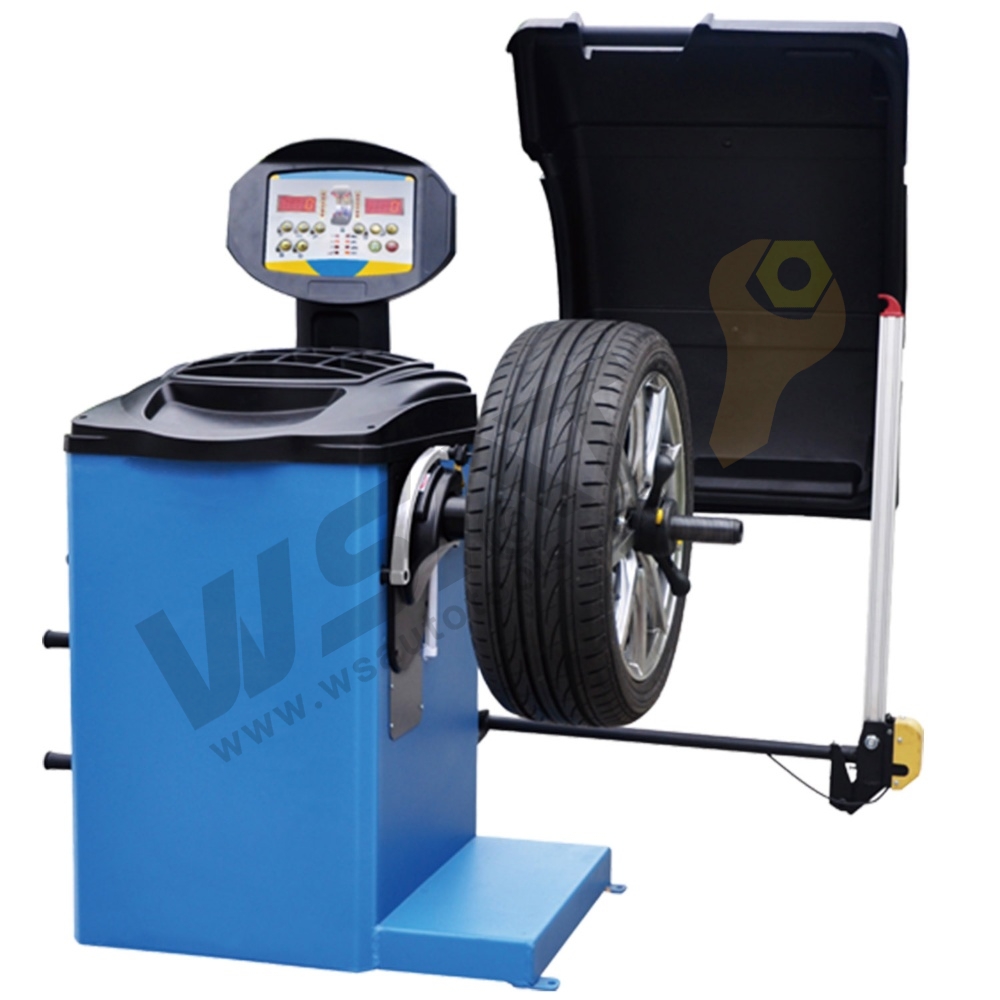
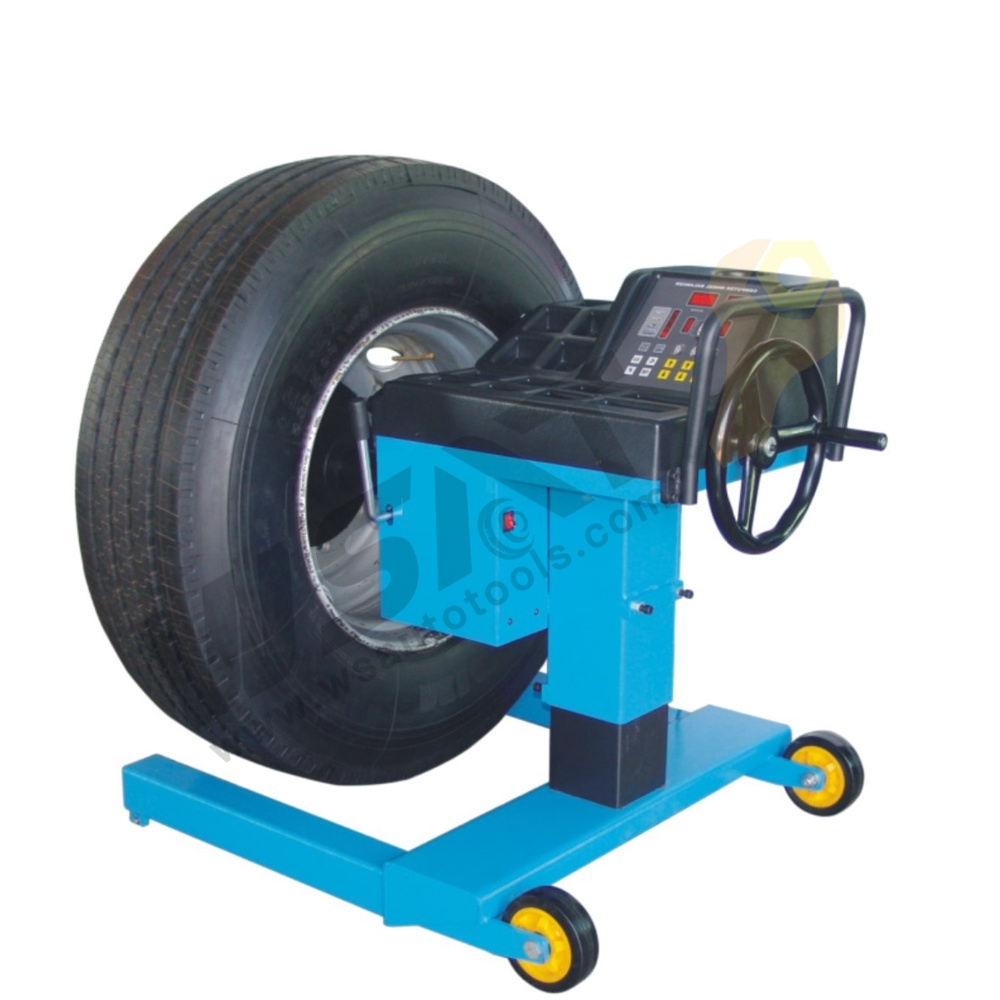
Side-by-Side Comparison
Here's a quick breakdown of how the 2 types stack up across the things that matter most to buyers and shop owners:
| Feature | LED Wheel Balancer | Traditional Balancer |
|---|---|---|
| Display Type | LED / Backlit Screen | LCD / Analog Panel |
| Readability in Bright Light | Excellent | Can be difficult |
| Weight Placement Guide | Visual LED indicator | Manual / screen-reading |
| Speed of Use | Faster | Moderate |
| Learning Curve | Low | Moderate |
| Price Range | Mid to High | Low to Mid |
| Best For | High-volume, mixed-skill teams | Budget-focused, experienced techs |
Who Should Go with Which?
Go LED if…
Your shop handles a high volume of tire jobs daily, you're training new technicians, or you want to reduce the risk of human error during weight placement. The LED guide takes the guesswork out of it, which means faster turnaround and fewer comebacks. It's also a smarter pick if you're supplying tools to shops that want something modern and easy to get staff up to speed on quickly.
Stick with Traditional if…
Budget is your main concern, and your team already has solid experience reading a standard balancer. A traditional model is still perfectly reliable for lower-volume operations or buyers who just need a cost-effective, proven tool without extra bells and whistles. There's nothing wrong with it — it's just less automated.