What is ADAS calibration?
Modern vehicles are equipped with Advanced Driver Assistance Systems (ADAS) — technologies such as lane departure warning, adaptive cruise control, and blind spot detection. These systems depend on cameras, radar, and ultrasonic sensors working in precise alignment.
ADAS calibration is the process of realigning these sensors to manufacturer specifications. Even a minor shift in sensor angle can cause the system to misread road conditions, creating serious safety risks.
A misalignment of just 1° in a forward camera can shift its effective detection zone by several metres at highway speed — enough to miss a vehicle or pedestrian entirely.
When is calibration required?
- 1After windshield replacement — the forward camera mounts to the glass
- 2Following any collision repair that disturbs body panels or sensors
- 3After wheel alignment, suspension work, or ride height changes
- 4When an ADAS warning light appears or a system stops functioning correctly
ADAS systems that require calibration
What equipment is needed?
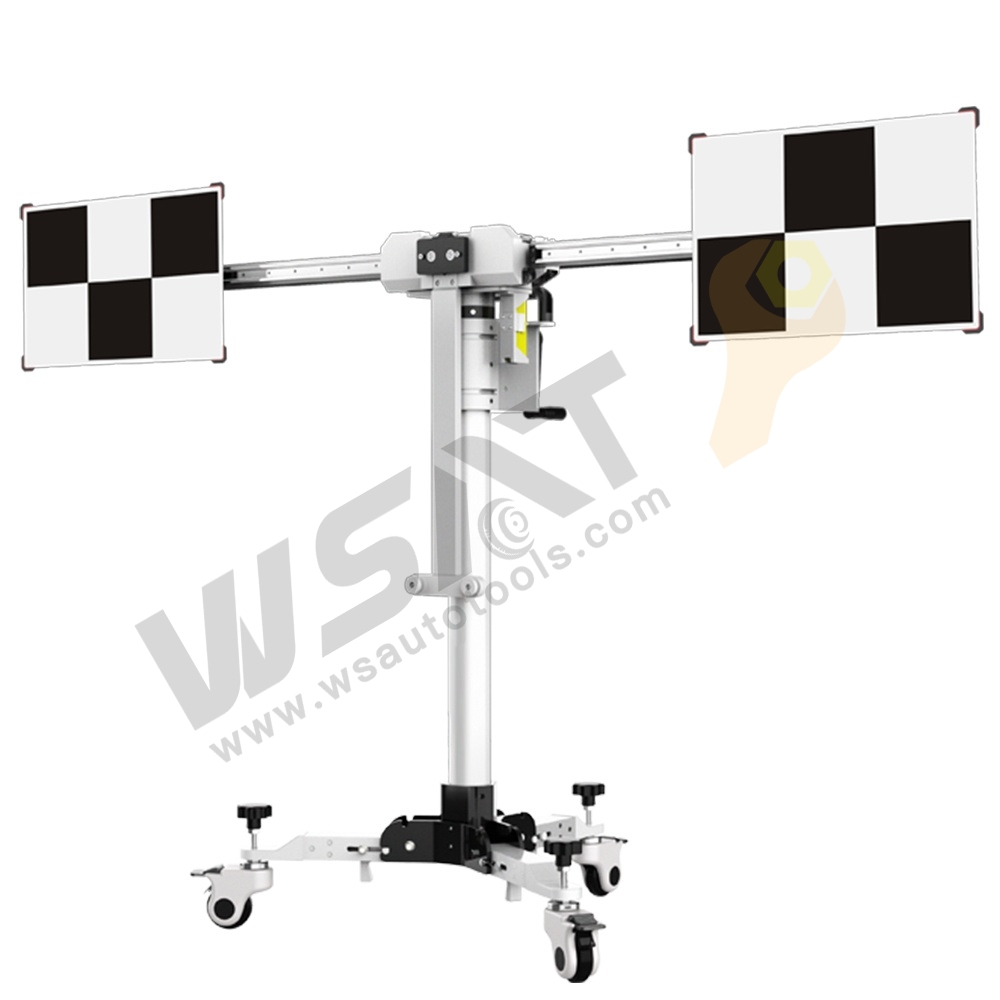
Professional ADAS calibration requires three core elements: a level calibration surface, precisely positioned target boards matched to the vehicle model, and dedicated software that guides the process and communicates with the vehicle's control unit. Investing in the right calibration equipment eliminates guesswork and ensures results that meet OEM standards.
Winsen ADAS Calibration Equipment
Winsen offers two professional-grade solutions designed for workshops of different sizes and use cases.