
Cleaning metal components may look simple, but anyone who works in automotive repair, manufacturing, or equipment maintenance knows the job quickly becomes messy, time-consuming, and inconsistent. That is exactly where a parts washer steps in.
As someone who has spent years handling greasy components, clogged carburetors, and machinery parts coated with stubborn contaminants, I can say confidently that a parts washer is one of the most underrated tools in any workshop. It improves cleaning efficiency, protects equipment, and delivers consistent results that manual scrubbing can never match.
Below, I will break down what a parts washer does, how it helps your workflow, its main types, and what you can (and cannot) clean with it—all from a practical, real-world perspective.
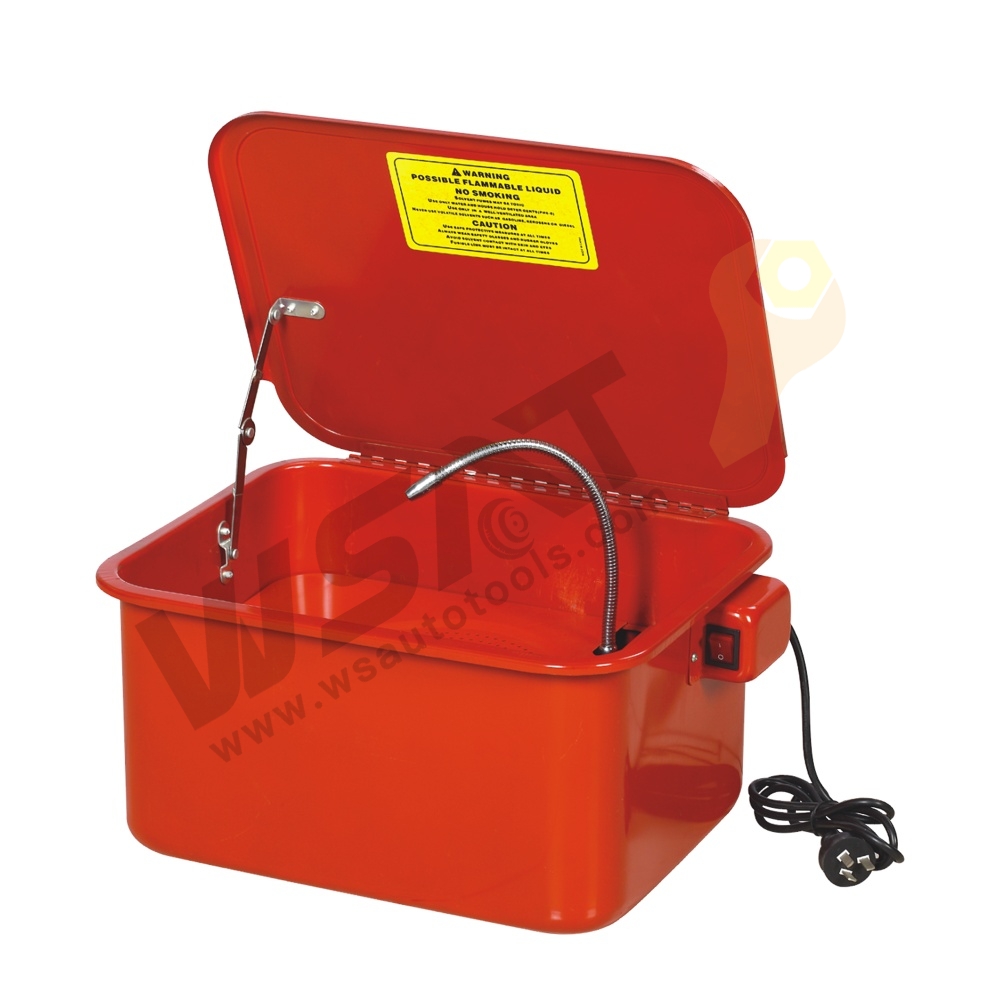
Winsen 5 Gallon Parts Washer
What Can a Parts Washer Do?
A parts washer is a specialized cleaning machine designed to remove oil, grease, grime, carbon buildup, metal shavings, dust, and other contaminants from mechanical components. Depending on the model, it can use water-based solutions, solvents, or even ultrasonic vibrations to break down contaminants efficiently.
From years in maintenance environments, here are the core functions you can expect:
Degreasing: Removes heavy oil and lubricants that are hard to scrub manually.
Contaminant Removal: Eliminates carbon deposits, dirt, and machining residue.
Precision Cleaning: Reaches tight areas such as threads, cavities, and small passages.
Surface Preparation: Helps prepare parts for inspection, repair, painting, or assembly.
Whether you are cleaning brake calipers, engine blocks, transmission cases, bearings, or small hardware, a parts washer speeds up the process dramatically.
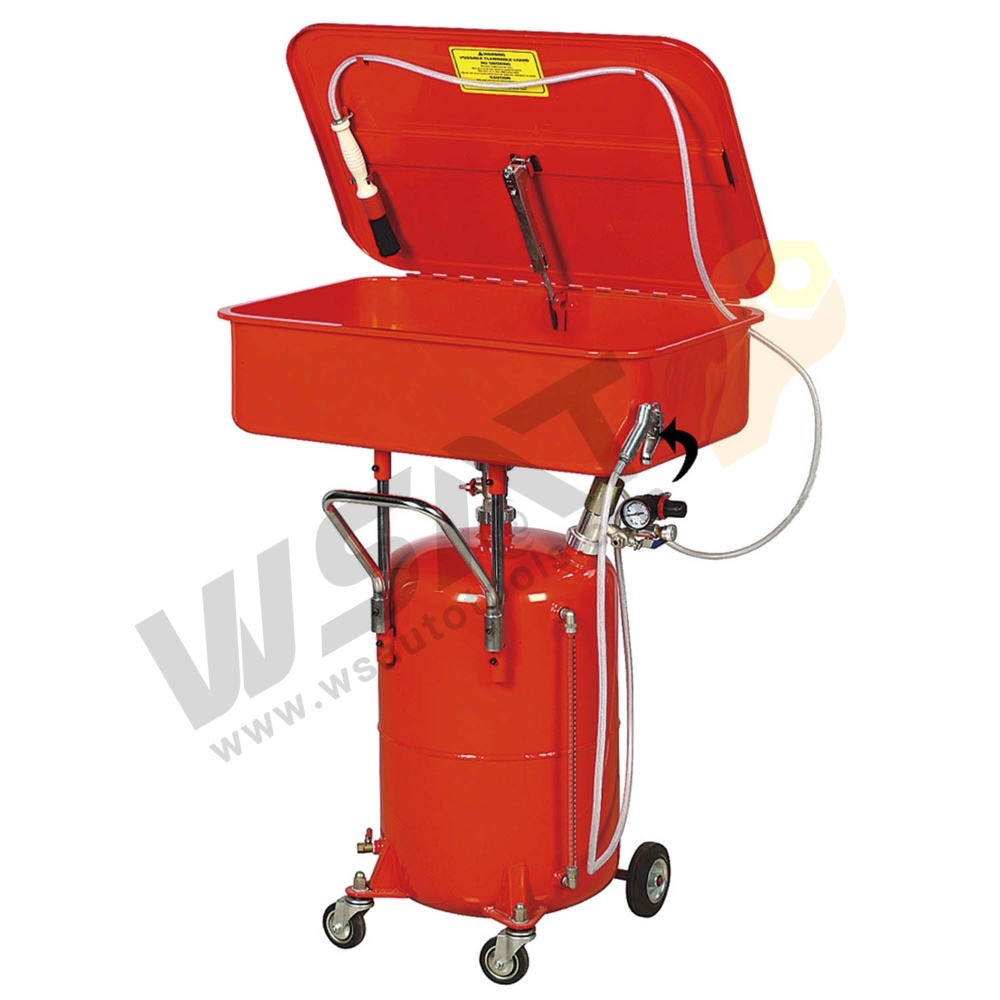
Winsen Pneumatic Degreaser - 50L Parts Washer
Benefits of Using Parts Washers
If you are new to repair or manufacturing work, you might assume a brush and a bucket of solvent can do the job.
However, once you use a parts washer, the advantages become obvious:
Higher Cleaning Efficiency
With circulating fluid, spraying systems, or ultrasonic agitation, a parts washer can clean more thoroughly and consistently than manual scrubbing.
Better Workplace Safety
Modern parts washers reduce direct contact with harsh chemicals and vapors. Water-based parts washers, in particular, significantly lower fire and health risks.
Cleaner, More Reliable Equipment
Removing contaminants prolongs the life of machinery components and prevents performance issues caused by hidden dirt.
Time and Labor Savings
Technicians can load the machine and focus on other work while the washer handles the cleaning. This improves shop productivity.
Environmental Benefits
Closed-loop filtration systems and biodegradable detergents reduce waste and chemical consumption compared to manual cleaning.
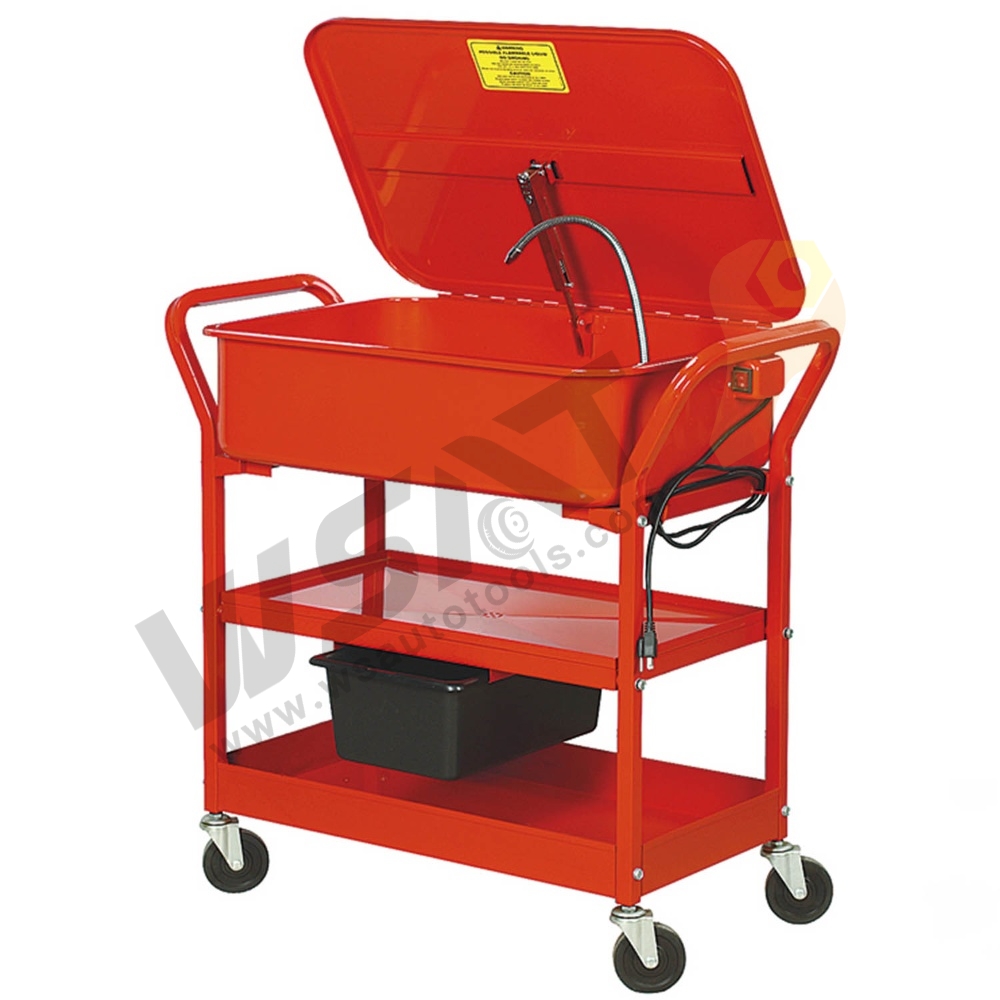
Winsen 20 Gallon Removable Parts Washer with Service Shelf
Types of Parts Washers
Different workshops require different cleaning approaches. In my experience, these are the main categories you will encounter:
Manual Parts Washers
Technicians use brushes while the washer pumps cleaning fluid through the system. Ideal for small shops and general cleaning tasks.
Automatic Parts Washers
Also known as spray cabinet washers, these machines clean parts with high-pressure heated water jets. Perfect for shops that handle large or numerous components.
Ultrasonic Parts Washers
These rely on sound waves to create microscopic bubbles that lift contaminants from the metal surface. Excellent for carburetors, injectors, and precision components.
Solvent-Based Parts Washers
Use petroleum-based solvents for heavy grease removal. While effective, they require strict safety measures and proper waste disposal.
Aqueous (Water-Based) Parts Washers
Use biodegradable detergents and heated water. Increasingly popular due to safety and environmental benefits.
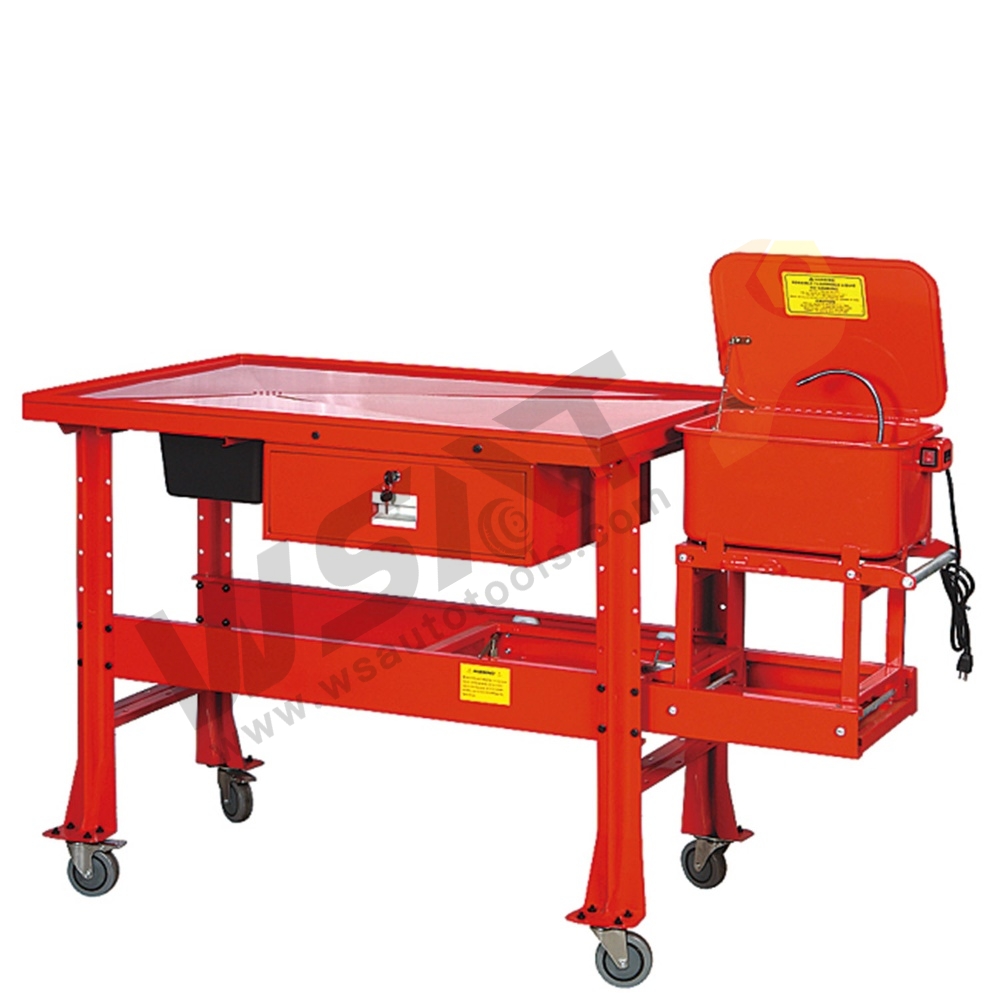
Winsen Combination Cleaning Table w/o Part Washer
What Materials and Parts Can be Cleaned?
A well-designed parts washer supports a wide range of materials, but compatibility depends on the cleaning solution and method you choose.
Commonly Cleaned Materials
Steel
Stainless steel
Aluminum (water-based cleaners preferred)
Brass
Copper
Plastics (chemical compatibility must be checked)
Commonly Cleaned Components
Automotive engine parts
Transmission parts
Bearings and gears
Hydraulic components
Tools and workshop equipment
Carburetors and fuel injectors
Mechanical assemblies
What You Should Avoid Cleaning
Electronics
Rubber components that deteriorate in solvents
Painted parts (unless paint removal is intentional)
Materials that react with strong solvents
Always check the manufacturer's guidelines for cleaning solution compatibility—this prevents accidental damage, especially on aluminum or coated parts.
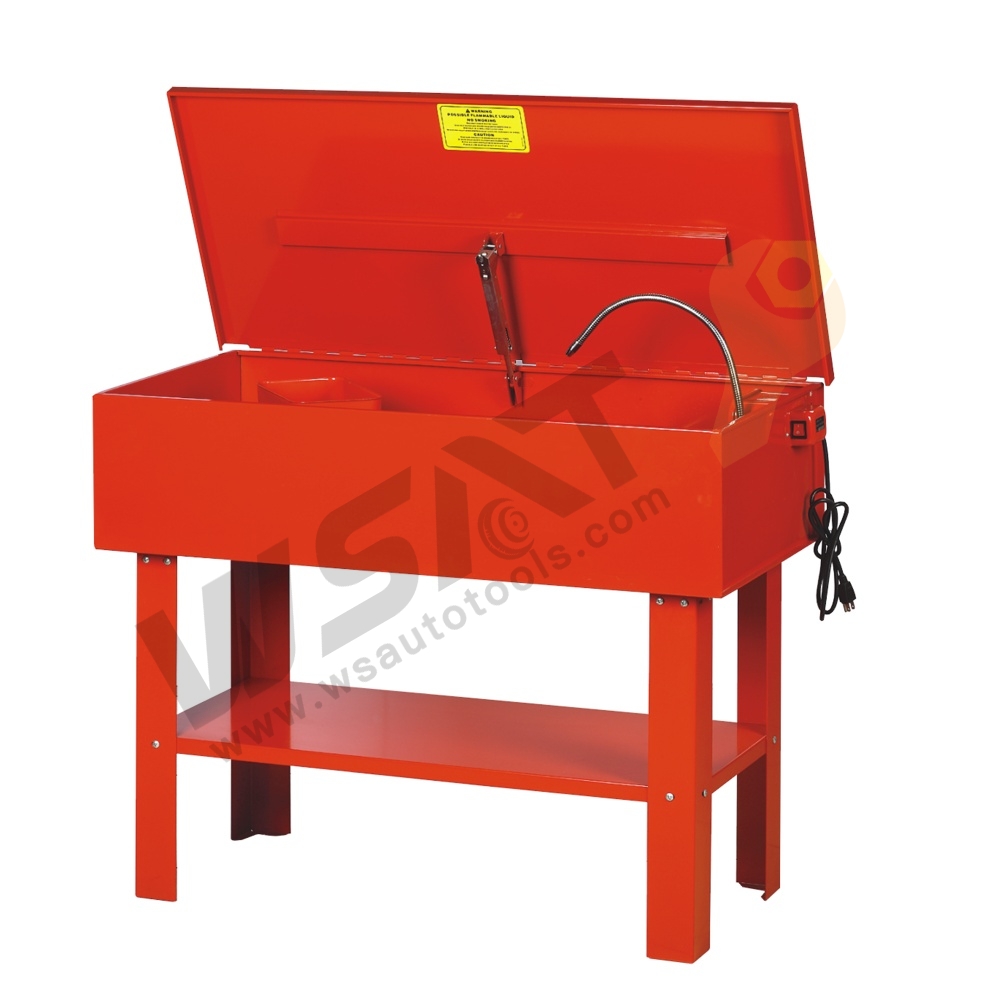
Winsen 20 Gallon/40 Gallon Parts Washer
Some FAQs about Parts Washers
Q1: Do I need a solvent-based or water-based parts washer?
Solvent-based washers remove heavy grease faster, but water-based aqueous washers are safer, cleaner, and suitable for most modern applications.
Q2: How often should I change the cleaning fluid?
It depends on usage, but most workshops replace it every few weeks or when performance drops. Filtration systems help extend the fluid's lifespan.
Q3: Can parts washers damage metal?
Not if you choose the correct cleaning solution. The wrong chemical, especially on aluminum, can cause corrosion.
Q4: Are parts washers expensive to maintain?
Routine maintenance is minimal—primarily fluid changes, filter replacement, and pump cleaning.
Q5: Do automatic parts washers need supervision?
No. Most run on preset cycles and shut off automatically, allowing you to multitask safely.